How to Spot a Fake OnlyFans Agency Before You Sign Anything
Real agencies can show you their work, their people, and a clear contract. Fake ones lead with screenshots, urgency, and requests for your password. Here is how to tell them apart before you sign.

If you have any kind of following, you have probably received the message. An "agency" wants to manage you, promises to multiply your income, and asks for a quick call or, worse, your login.
Some of those agencies are real and genuinely good at what they do. Plenty are not. The difference matters, because the wrong agency can take a big cut of your income, lock you out of your own accounts, or disappear with your content.
I run my own agency at beanbox.agency and build websites for other agencies, so I see this from both sides. Here is how to tell a real operation from a fake one.
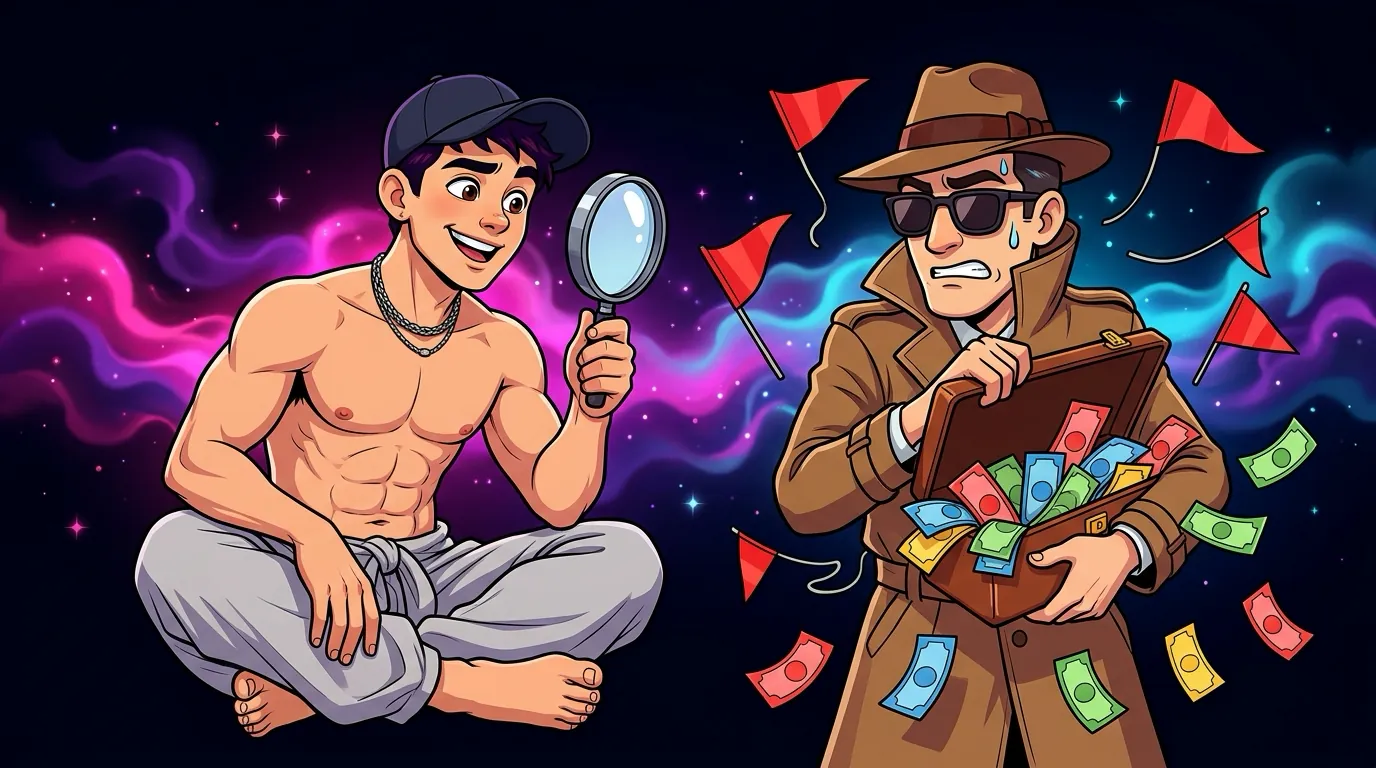
Red flag 1: They lead with screenshots
Revenue screenshots are the easiest thing in the world to fake or cherry pick. An agency that opens with a dashboard screenshot and a big number is selling a feeling, not a service.
What a real agency does instead: explains how they work. Who handles messaging, who handles promotion, how content gets planned, how you get paid, and what they need from you.
Red flag 2: They want your password on day one
An agency asking for your login before you have a signed agreement is the biggest red flag there is. Once someone has your password, they can change your email, lock you out, and redirect your earnings.
What a real agency does instead: signs an agreement first, explains exactly what access they need and why, keeps you in control of your account email and payout details, and makes it easy to revoke access.
Red flag 3: Nothing exists outside the DM
Check whether the agency exists anywhere beyond the message they sent you. Look for:
- A website on its own domain, not just a link tree.
- Real people you can identify, not just a logo account.
- A business email that matches their domain.
- A track record you can verify, such as creators they work with who will actually talk to you.
A lot of fake agencies run from accounts that are a few weeks old, with no site, no named people, and no creators willing to vouch for them.
Red flag 4: Vague contracts and huge cuts
Agency splits vary a lot, and a bigger cut can be fair if the agency does a lot of the work. What is never fair is a cut you do not understand. Read the contract for these clauses:
| Clause | What to look for |
|---|---|
| Revenue split | Exactly which income it covers, and whether it touches income you earned before signing |
| Term | How long you are locked in, and whether it renews automatically |
| Exit | How you leave, how much notice you give, and what happens to your accounts |
| Content ownership | Who owns content created during the agreement |
| Account control | Who controls logins, recovery email, and payout details |
If an agency will not give you time to read the contract, or gets annoyed when you want someone else to look at it, walk away.
Red flag 5: Pressure and urgency
"Spots are filling up." "This offer ends tonight." "We only take a few creators a month." Real agencies want the right creators and are fine with you taking a week to decide. Pressure is a tactic, not proof of demand.
Red flag 6: Their own website looks like a template
This one is a little self serving coming from a web developer, but it is also true. Agencies that invest in their own presentation tend to invest in their creators. A site built from a free template, full of stock photos, sports cars, and big unverifiable numbers, tells you how much effort they put into the thing they are literally selling you: presentation.
A legitimate agency usually has a clear site on its own domain that explains what they do, who they work with, and how to apply.
Questions to ask any agency
Before you sign, ask these and pay attention to how directly they answer:
- What exactly will you do each week, and who on your team does it?
- What access do you need to my accounts, and how do I revoke it?
- Can I talk to two creators you currently manage?
- What does your split apply to, and does it touch income I already earn?
- How do I leave, and what happens to my accounts and content when I do?
- Who owns the website, domain, and content you create for me?
That last question matters more than most creators realize. If an agency builds your link hub or site, ask whether the domain is registered in your name and whether it stays with you if you part ways.
Frequently asked questions
Is it normal for an OnlyFans agency to ask for my login?
A legitimate agency may need account access to do its job, but only after an agreement is signed, with a clear explanation of what they access and how you revoke it. You should keep control of your recovery email and payout details.
What is a normal agency split?
It varies widely depending on how much of the work the agency does. What matters most is that you understand exactly which income the split covers and how you can leave.
Should an agency own my domain?
Ideally your domain is registered in your name. If an agency registers it for you, get in writing who owns it and what happens to it if you part ways.
What a good agency relationship looks like
A good agency makes you more money than it costs, keeps you in control of your accounts, puts everything in writing, and lets you leave cleanly. It also invests in your brand, with things like a custom site on your own domain, instead of parking you on a shared template.
If you run an agency and want your web presence to look like the real operation you are, I build custom roster sites and agency sites at MAXXXSITES for Agencies. If you are a creator, start with a free mockup of your own link hub, so whatever agency you choose, your brand already has a home that is yours.